

How to Choose the Right Metal Fabrication Partner for Your Project
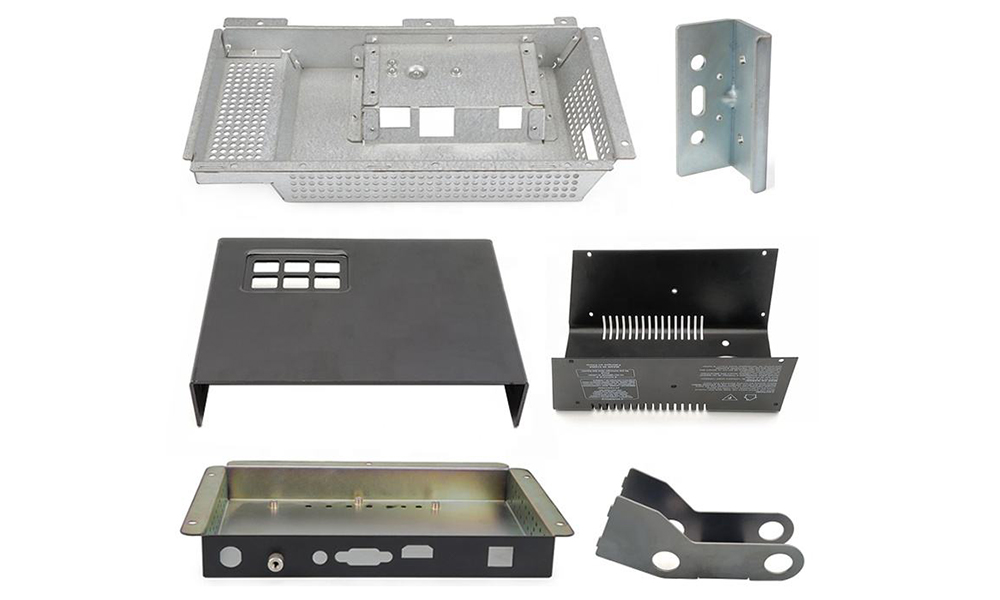
Selecting the right metal fabrication supplier is one of the most important decisions that can impact the success of your manufacturing project. Whether you need custom brackets, sheet metal assemblies, precision-machined components, or large-scale industrial parts, the capabilities of your fabrication partner directly affect product quality, production efficiency, delivery schedules, and overall project costs.
With countless suppliers available worldwide, how can you identify the best partner for your business? Here are the key factors to consider when evaluating a custom metal fabrication supplier.
1. Evaluate Manufacturing Capabilities
The first step is to assess whether the supplier has the necessary manufacturing capabilities to meet your project requirements.
A qualified metal fabrication partner should offer a comprehensive range of services, including:
Laser cutting
CNC machining
Sheet metal bending
Welding and assembly
Metal stamping
Surface finishing
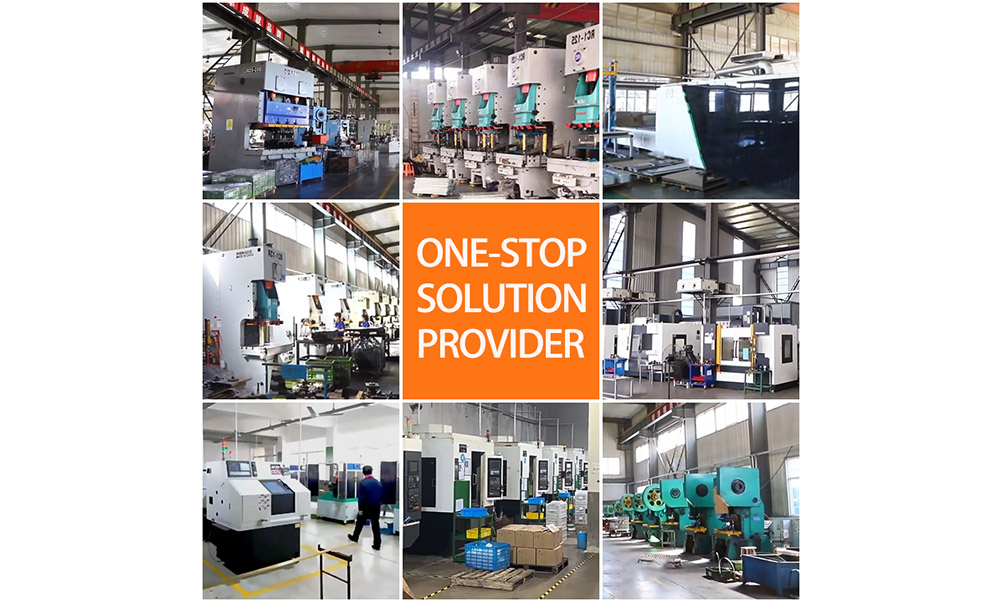
A supplier with multiple in-house manufacturing processes can reduce outsourcing, improve quality control, and shorten lead times. It is also important to verify the supplier's equipment, production capacity, and experience with similar projects.
Ask questions such as:
What materials can they process?
What are their maximum part dimensions?
What tolerances can they achieve?
Can they support both prototypes and mass production?
The more versatile the supplier, the better they can adapt to your changing project needs.
2. Review Their Quality Management System
Quality is a critical factor in any manufacturing project. A reliable metal fabrication supplier should have a well-established quality management system that ensures consistent production standards.
Look for suppliers that implement:
Incoming material inspection
In-process quality control
Final product inspection
Traceability systems
Continuous improvement programs
Certifications such as ISO 9001 can indicate a commitment to quality management. In addition, suppliers should utilize modern inspection equipment, including calipers, CMM machines, and other precision measuring tools.
Strong quality control processes help reduce defects, minimize rework, and improve customer satisfaction.
3. Assess Delivery and Supply Chain Reliability
Even high-quality parts lose value if they are delivered late. Therefore, delivery performance should be a major consideration when selecting a fabrication partner.
Reliable suppliers typically have:
Efficient production planning systems
Stable raw material sourcing channels
Flexible production scheduling
Experienced logistics coordination
Before making a decision, ask potential suppliers about their average lead times and on-time delivery performance. A supplier with strong supply chain management can better handle urgent orders and unexpected market fluctuations.
Consistent delivery helps customers maintain inventory control and avoid costly production delays.
4. Consider Cost Control Rather Than Price Alone
Many buyers focus solely on unit price when comparing suppliers. However, the lowest quote does not always represent the best value.
A professional custom metal fabrication partner focuses on total cost optimization by improving production efficiency, reducing material waste, and minimizing quality issues.
Factors that influence total project cost include:
Material utilization
Manufacturing efficiency
Tooling requirements
Inspection costs
Packaging and logistics
Product quality consistency
Working with an experienced supplier often results in lower long-term costs through improved productivity and fewer production risks.
5. Evaluate Engineering and Technical Support
The best fabrication suppliers do more than manufacture parts—they provide engineering expertise.
A strong technical team can assist with:
Design for Manufacturability (DFM)
Material selection
Process optimization
Cost reduction recommendations
Prototype development
Early engineering involvement can help identify potential manufacturing challenges before production begins, saving both time and money.
6. Look for Long-Term Partnership Potential
A successful manufacturing relationship is built on communication, transparency, and mutual growth. Choose a supplier that understands your industry, responds quickly to inquiries, and demonstrates a commitment to continuous improvement.
As your business grows, your fabrication partner should be able to scale production, introduce new technologies, and support future projects.
Conclusion
Choosing the right metal fabrication supplier requires more than comparing prices. Manufacturers should carefully evaluate production capabilities, quality systems, delivery performance, cost-control strategies, and engineering support.
A reliable custom metal fabrication partner can help improve product quality, reduce manufacturing risks, shorten lead times, and strengthen your competitive advantage in the market. By taking the time to assess potential suppliers thoroughly, you can build a long-term partnership that supports the success of your projects for years to come.
