

CNC Machining vs Sheet Metal Fabrication: Which Process Is Right for Your Parts?
When developing a new product or sourcing custom components, one of the most important decisions is choosing the right manufacturing process. Two of the most widely used production methods in modern manufacturing are CNC machining and sheet metal fabrication. Both processes are capable of producing high-quality parts, but they differ significantly in terms of design flexibility, material utilization, production cost, and application scenarios.
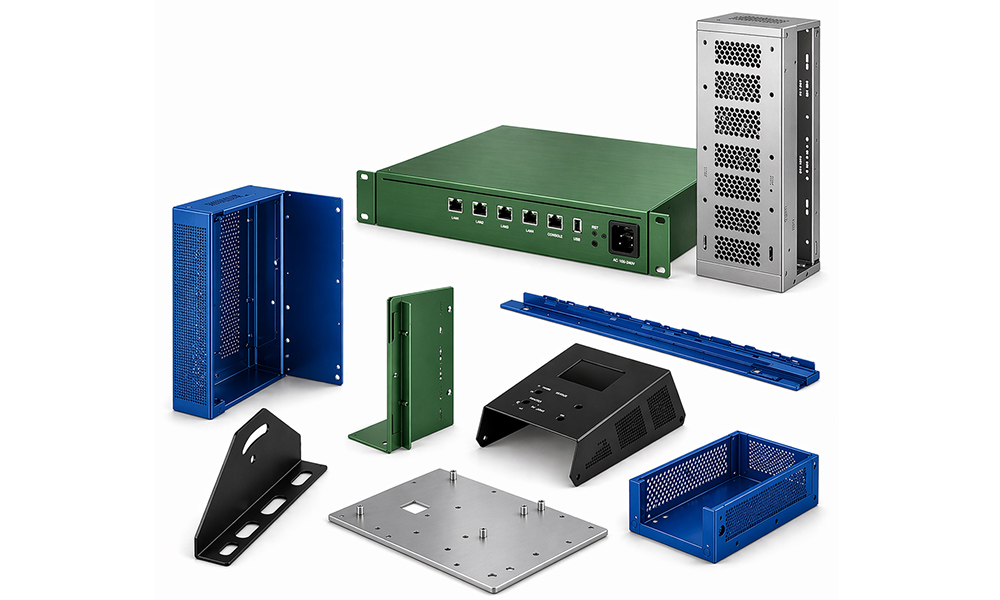
Understanding the strengths and limitations of each process can help you select the most cost-effective solution for your project.
What Is CNC Machining?
CNC machining is a subtractive manufacturing process that removes material from a solid block of metal or plastic using computer-controlled cutting tools. Common CNC processes include milling, turning, drilling, and tapping.
Because CNC machines can precisely control tool movements, they are capable of producing highly complex geometries and tight tolerances.
Advantages of CNC Machining
High dimensional accuracy and repeatability
Excellent surface finish
Suitable for complex 3D geometries
Wide range of materials available
Ideal for prototypes and precision components
Common Applications
CNC machining is widely used in:
Aerospace components
Automotive parts
Medical devices
Robotics
Industrial machinery
Electronic housings
When precision and complexity are critical, CNC machining is often the preferred solution.
What Is Sheet Metal Fabrication?
Sheet metal fabrication is a manufacturing process that transforms flat metal sheets into finished components through cutting, bending, stamping, punching, welding, and assembly operations.
Unlike CNC machining, which removes material from a solid block, sheet metal fabrication focuses on forming and shaping thin metal sheets into functional products.
Advantages of Sheet Metal Fabrication
Lower material waste
Faster production for large parts
Cost-effective for medium and high volumes
Lightweight structural designs
Excellent scalability for mass production
Common Applications
Sheet metal fabrication is commonly used for:
Electrical enclosures
Control cabinets
Brackets and frames
HVAC systems
Industrial equipment housings
Automotive panels
For products that require lightweight structures and efficient manufacturing, sheet metal fabrication is often the most economical choice.
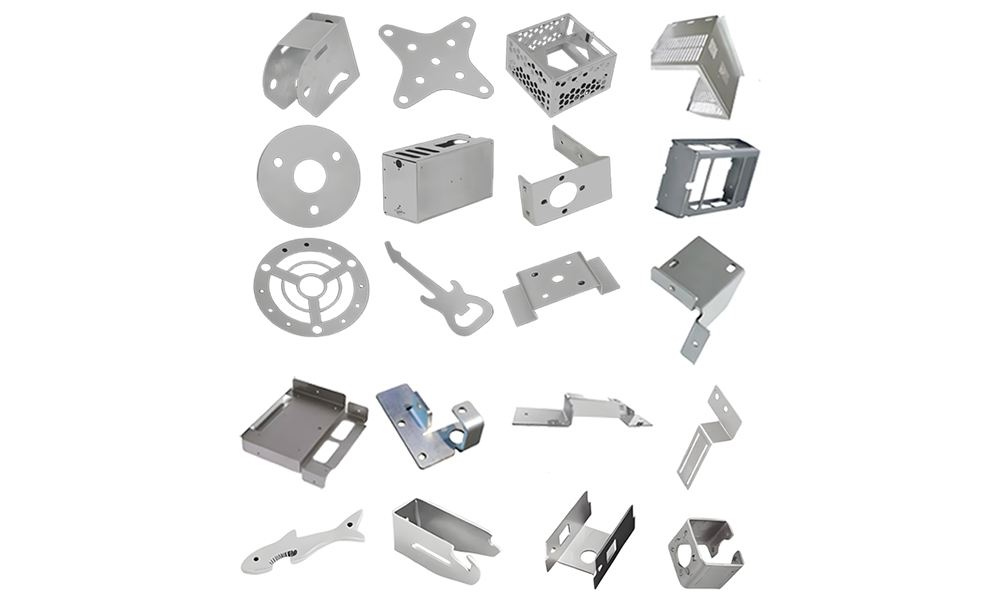
Comparing CNC Machining and Sheet Metal Fabrication
Design Complexity
CNC machining excels at producing complex 3D parts with intricate features such as pockets, threads, contours, and precision holes.
Sheet metal fabrication is better suited for parts made from flat sheets that can be bent or assembled into three-dimensional structures.
Precision and Tolerance
If your project requires tight tolerances and highly accurate dimensions, CNC machining generally provides better precision.
Sheet metal fabrication can achieve excellent accuracy as well, but dimensional tolerances are typically influenced by bending and forming processes.
Production Cost
For low-volume production and prototype development, CNC machining is often the most practical option because it requires minimal tooling investment.
For medium- to high-volume production, sheet metal fabrication can offer significant cost advantages due to faster production speeds and efficient material usage.
Material Utilization
Sheet metal fabrication generally produces less waste because parts are cut directly from flat sheets.
CNC machining removes material from solid stock, which can result in higher material consumption, especially for complex components.
Production Speed
Sheet metal fabrication processes such as laser cutting and CNC bending can quickly produce large quantities of parts.
CNC machining often requires longer machining cycles, especially for complex designs.
How to Choose the Right Process
The best manufacturing method depends on your specific requirements.
Choose CNC machining when:
High precision is required
Parts have complex 3D geometries
Tight tolerances are critical
Low-volume production is planned
Functional prototypes are needed
Choose sheet metal fabrication when:
Parts are made from thin metal sheets
Cost efficiency is a priority
Large production volumes are required
Lightweight structures are needed
Assembly and enclosure products are involved
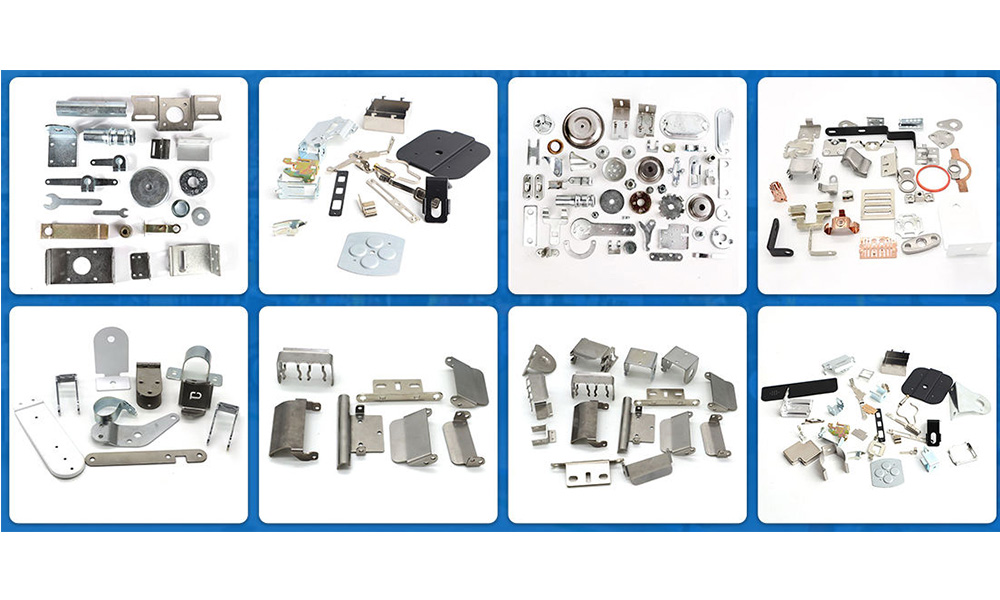
In some projects, the most effective solution is actually a combination of both processes. For example, a machine enclosure may use sheet metal fabrication for the housing and CNC machining for precision mounting components.
Conclusion
Both CNC machining and sheet metal fabrication play essential roles in modern manufacturing. CNC machining offers unmatched precision and design flexibility, while sheet metal fabrication provides excellent cost efficiency and scalability for structural components.
By understanding the characteristics of each process, manufacturers can select the most suitable production method based on design requirements, budget, production volume, and application needs. Working with an experienced manufacturing partner can further help optimize product design, reduce costs, and improve overall project success.
