

Steel Welding: A Core Process Powering Modern Manufacturing and Construction
Steel welding is one of the most critical processes in modern manufacturing, construction, and heavy industry. As steel remains the backbone material for structural strength, durability, and cost efficiency, welding provides the essential method for joining steel components into reliable, high-performance assemblies. From infrastructure and machinery to automotive and energy systems, steel welding supports countless industrial applications. This blog explores what steel welding is, how it works, its main process types, service offerings, advantages, and practical uses.
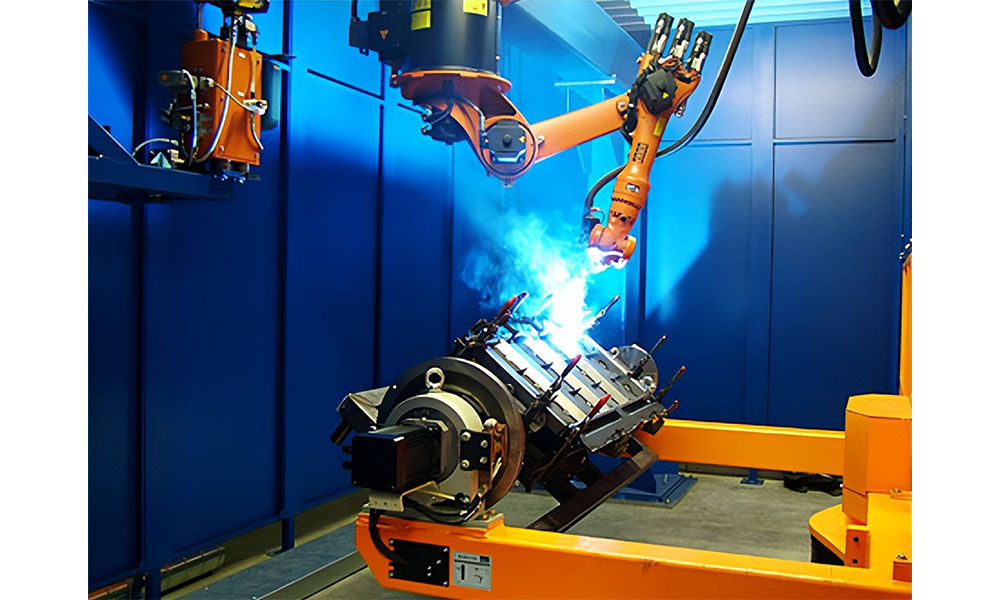
What Is Steel Welding?
Steel welding is a fabrication process that joins two or more steel parts by applying heat, pressure, or both, causing the materials to fuse together. In most cases, filler metal is added to strengthen the joint and ensure structural integrity. Once cooled, the welded joint becomes a permanent bond capable of withstanding mechanical stress, vibration, and environmental exposure.
Steel welding is widely used because steel offers excellent weldability, strength, and versatility across a wide range of grades and thicknesses.
Steel Welding Process
The steel welding process typically follows several controlled stages:
1. Material Preparation
Steel surfaces are cleaned to remove oil, rust, paint, and contaminants that could weaken the weld.
2. Joint Design and Fit-Up
Proper joint preparation, including edge beveling and alignment, ensures strong penetration and uniform weld quality.
3. Welding Operation
Heat is applied using an electric arc, gas flame, or laser, melting the base metal and filler material to form the weld pool.
4. Cooling and Solidification
The molten metal cools and solidifies, creating a strong metallurgical bond.
5. Inspection and Finishing
Welds are inspected visually or with non-destructive testing methods, and finishing may be applied if required.
Precision control during each step is essential for consistent weld strength and appearance.
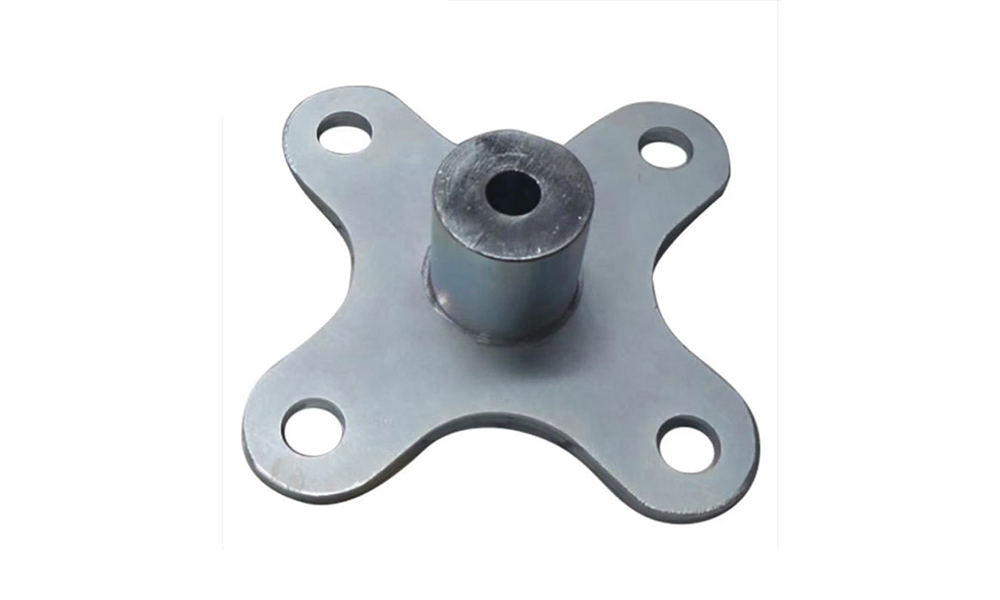
Types of Steel Welding
Steel welding can be classified based on welding method and application requirements:
MIG Welding (GMAW) – High efficiency and ease of automation for production welding
TIG Welding (GTAW) – High precision and clean welds for thin or critical components
Stick Welding (SMAW) – Versatile and suitable for outdoor or structural applications
Laser Welding – High precision and minimal heat distortion
Resistance Welding – Ideal for high-volume sheet steel assemblies
Robotic Welding – Automated welding for consistent quality and mass production
Each method is selected based on steel grade, thickness, strength requirements, and production volume.
Steel Welding Services
Professional steel welding service providers typically offer:
Manual and robotic welding solutions
Structural and precision welding
Welding of carbon steel, stainless steel, and alloy steel
Prototype and mass-production welding
Welding fixture design and assembly
Non-destructive testing and quality inspection
Integration with cutting, bending, and machining services
These services ensure welded components meet strict quality and safety standards.
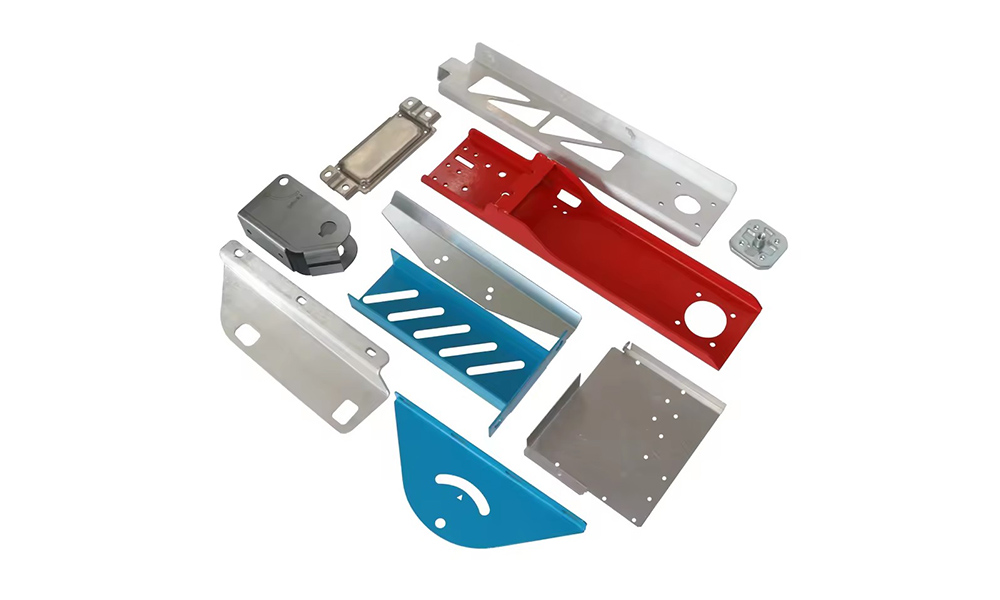
Advantages of Steel Welding
Steel welding provides numerous benefits in industrial manufacturing:
High joint strength and durability
Excellent load-bearing capability
Cost-effective joining solution
Flexibility for complex structures
Compatibility with automation
Wide range of steel grades and thicknesses
Long service life and reliability
Welded steel structures perform well under demanding conditions.
Applications of Steel Welding
Steel welding is widely applied across many industries:
Construction and infrastructure – beams, bridges, frames
Automotive – chassis, brackets, body structures
Industrial machinery – frames, housings, supports
Energy and power – pipelines, towers, equipment bases
Shipbuilding and marine – structural assemblies
Agricultural equipment – frames and heavy-duty components
Railway and transportation – structural and safety parts
In each application, steel welding ensures strength, safety, and long-term performance.
As industries continue to demand stronger structures, higher efficiency, and reliable performance, steel welding remains a cornerstone of modern manufacturing and construction. By combining skilled craftsmanship, advanced welding technologies, and strict quality control, steel welding delivers durable and cost-effective solutions for a wide range of applications. Partnering with an experienced steel welding service provider ensures consistent quality, structural integrity, and long-term value.
