

In modern manufacturing, CNC machining and stamping are two widely used production methods for metal parts. While both technologies aim to produce accurate and reliable components, they differ significantly in principles, processes, cost structure, flexibility, and application scenarios. Understanding the difference between CNC and stamping helps manufacturers choose the most suitable solution based on design requirements, production volume, and budget. This article provides a detailed comparison from multiple perspectives.
Definition of CNC Machining and Stamping
CNC (Computer Numerical Control) machining is a subtractive manufacturing process in which material is removed from a solid workpiece using computer-controlled tools such as mills, lathes, and drills. The process is driven by digital programs that ensure high precision and repeatability.
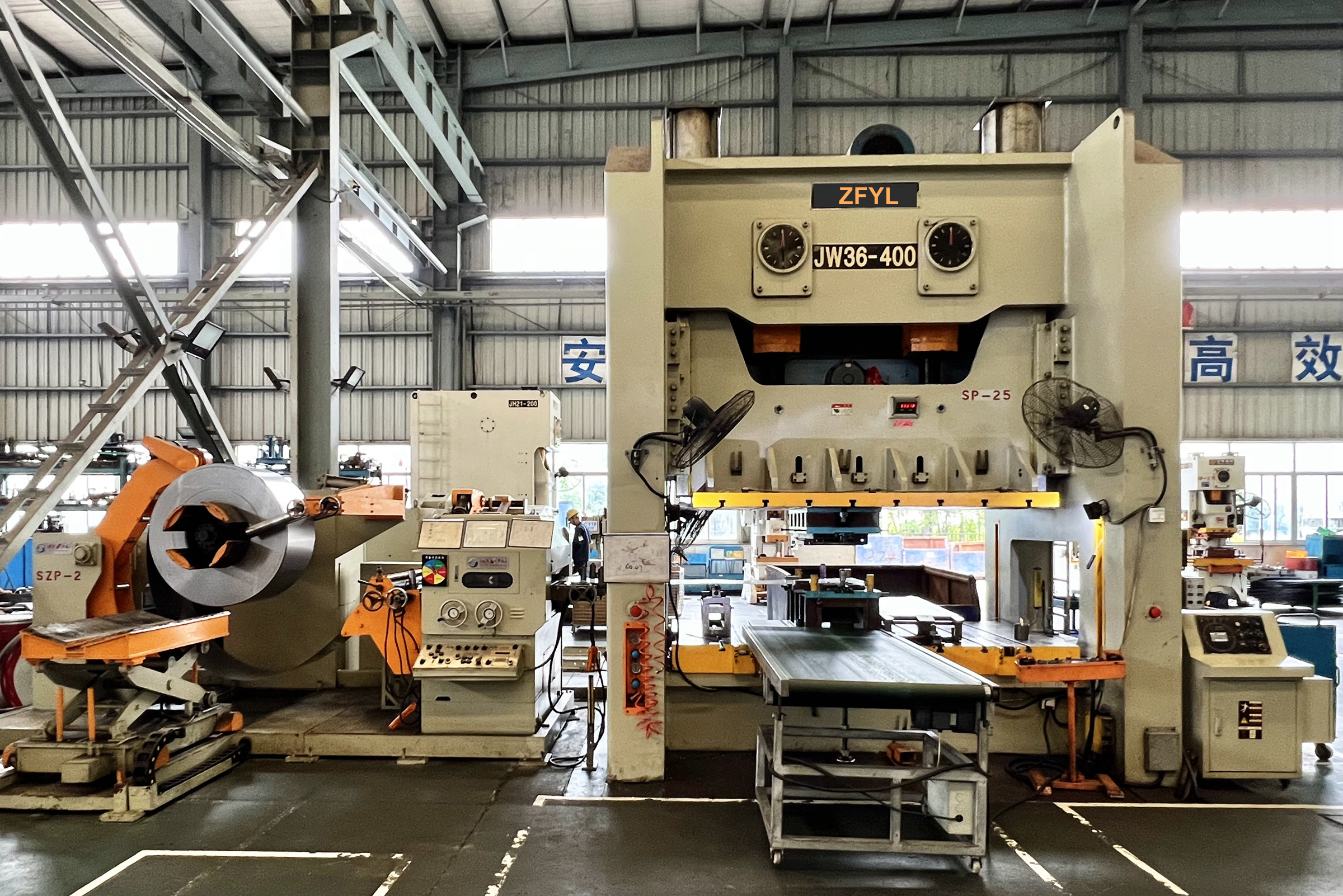
Stamping, on the other hand, is a forming process that uses dies and presses to shape metal sheets into parts. Instead of removing material, stamping reshapes the metal through force, producing components efficiently in high volumes.
Process Comparison
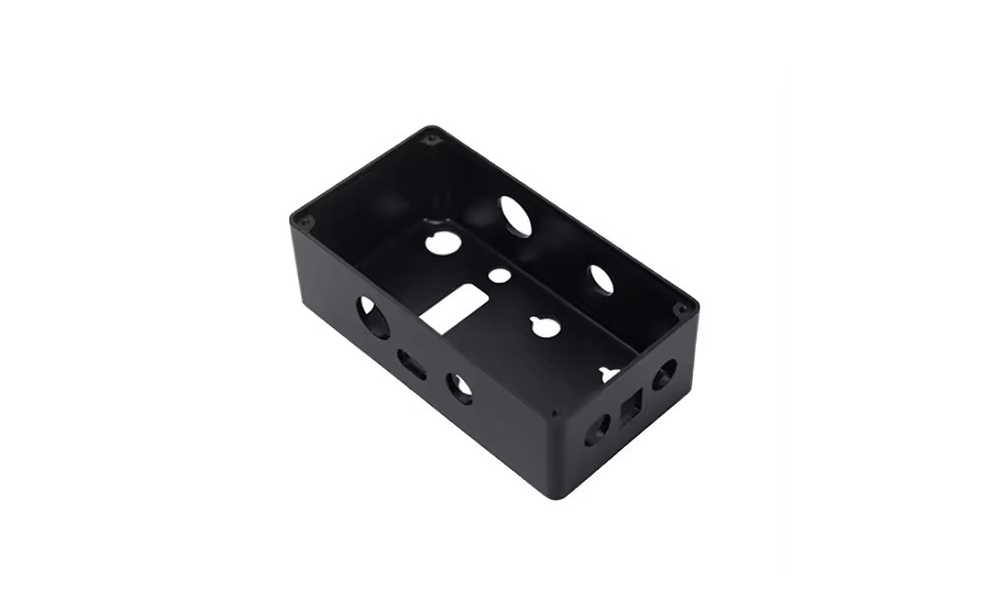
The CNC machining process begins with CAD design and CAM programming. The machine then cuts, drills, or mills the material to achieve the desired shape. CNC machining allows complex geometries, tight tolerances, and multi-axis operations, making it ideal for precision components.
Stamping involves placing metal sheets into a stamping press where dies perform operations such as blanking, punching, bending, drawing, or embossing. Once the tooling is developed, stamping enables extremely fast production cycles with minimal per-part variation.
Types and Classifications
CNC machining includes:
CNC milling
CNC turning
Multi-axis machining
Precision CNC machining
Stamping includes:
Progressive die stamping
Transfer stamping
Deep drawing
Compound stamping
Each classification serves different design complexities and production needs.
Manufacturing Services
CNC machining services typically offer:
Prototype development
Low- to medium-volume production
High-precision machining
Wide material compatibility
Stamping services usually focus on:
High-volume mass production
Custom die design and manufacturing
Cost-efficient part production
Consistent quality for large batches
Many manufacturers integrate both services to provide flexible solutions.
Advantages of CNC Machining
CNC machining offers:
High precision and tight tolerances
Excellent design flexibility
Low tooling cost
Ideal for complex and customized parts
Fast design changes and prototyping
However, CNC machining generally has higher unit costs for large volumes due to longer cycle times.
Advantages of Stamping
Stamping provides:
Very high production efficiency
Low cost per unit in mass production
Excellent consistency and repeatability
Minimal material waste
Strong mechanical properties from cold forming
The main limitation of stamping is the high initial tooling cost and lower flexibility for design changes.
Application Differences
CNC machining is widely used in:
Aerospace components
Medical devices
Precision machinery
Automotive prototypes
Complex metal and plastic parts
Stamping is commonly applied in:
Automotive body and structural parts
Home appliance components
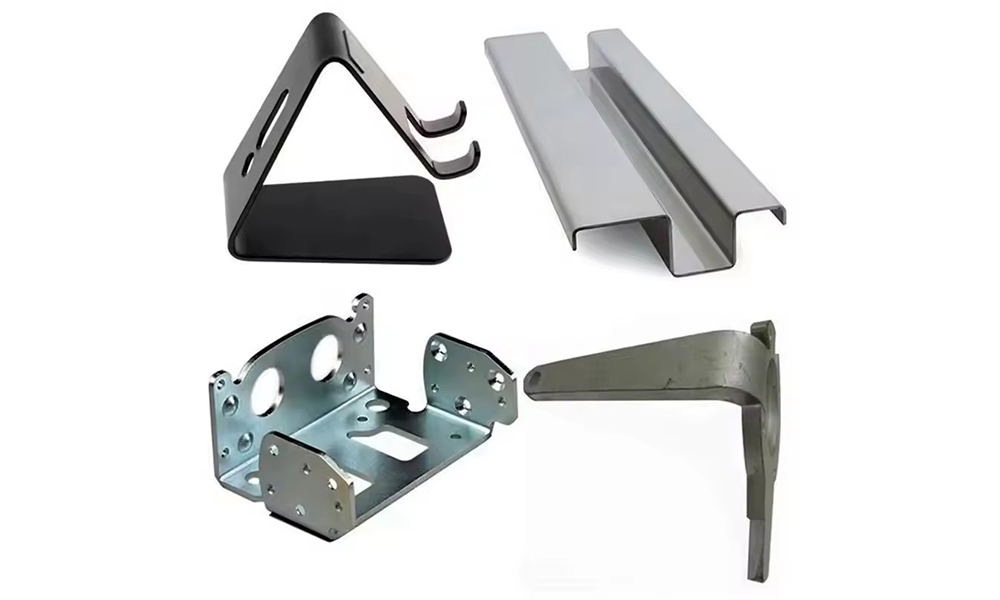
Electronics housings
Electrical connectors
Metal brackets and enclosures
The choice often depends on part complexity and production scale.
CNC vs. Stamping: Which Should You Choose?
CNC machining is the preferred choice for low-volume, high-precision, and complex parts, especially during product development or customization.
Stamping is ideal for high-volume, cost-sensitive production where part geometry is stable and repeatability is critical.
In many cases, manufacturers combine CNC machining and stamping within a single project to achieve optimal efficiency and cost control.
Both CNC machining and stamping play essential roles in modern manufacturing. CNC machining excels in flexibility, precision, and complexity, while stamping dominates in speed, consistency, and cost efficiency for mass production. Understanding the differences between CNC and stamping enables businesses to make informed decisions, improve production efficiency, and achieve better overall product quality.
