

Types and classifications of metal processing
In the field of mechanical manufacturing, both metal and plastic are the most commonly used materials, and many mechanical components are made through metal processing.
What is metal processing?
Metal processing refers to the general term for all kinds of processing and treatment carried out on metals as raw materials for the purpose of manufacturing products.
Metal processing can be roughly divided into two categories: "metal processing for shaping" and "metal processing for altering properties". The former is a processing method that creates product shapes by processing raw materials such as plates, bars or molten metals. The latter is a processing method that involves heat treatment or chemical treatment of metals to increase their hardness or enhance their anti-rust performance.
Metal processing for shaping
The processing forms for shaping metals can be roughly divided into the following four categories.
1. Mechanical processing
Mechanical processing includes three methods: cutting, grinding and special processing.
Cutting processing
This is a processing method that uses cutting tools to shape the workpiece by cutting and removing the unwanted parts. The most representative method is to use equipment such as lathes, milling machines, machining centers and drilling machines for processing. It is widely applied in various products. For example, home appliance parts and auto parts, etc.
Grinding processing
This is a processing method that uses a grinding wheel to remove the unwanted parts from the workpiece. Grinding is often used in situations where precision surfaces are required, such as automotive parts and sliding components of machine tools.
Special processing
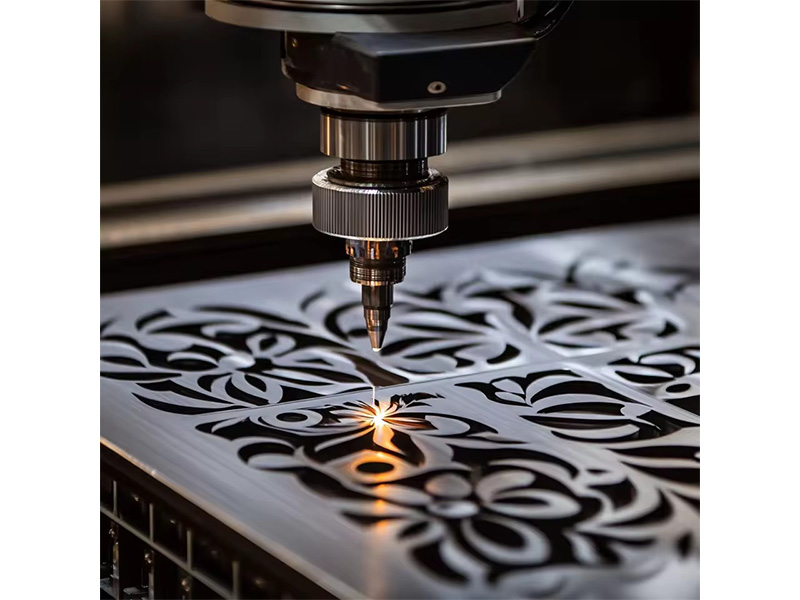
Mechanical processing methods that do not fall under cutting or grinding are usually classified as special processing. This type of processing involves many methods, among which the representative ones are electrical discharge machining and laser processing.
Electrical discharge machining is often used for engraving the cavities of molds, precisely cutting thin plates and keyways, etc.
Laser processing is often used for precise cutting of thin plates, micro-hole drilling and other purposes.
2. Plastic processing
In plastic processing, apart from stamping and forging, it also includes rolling.
Stamping processing
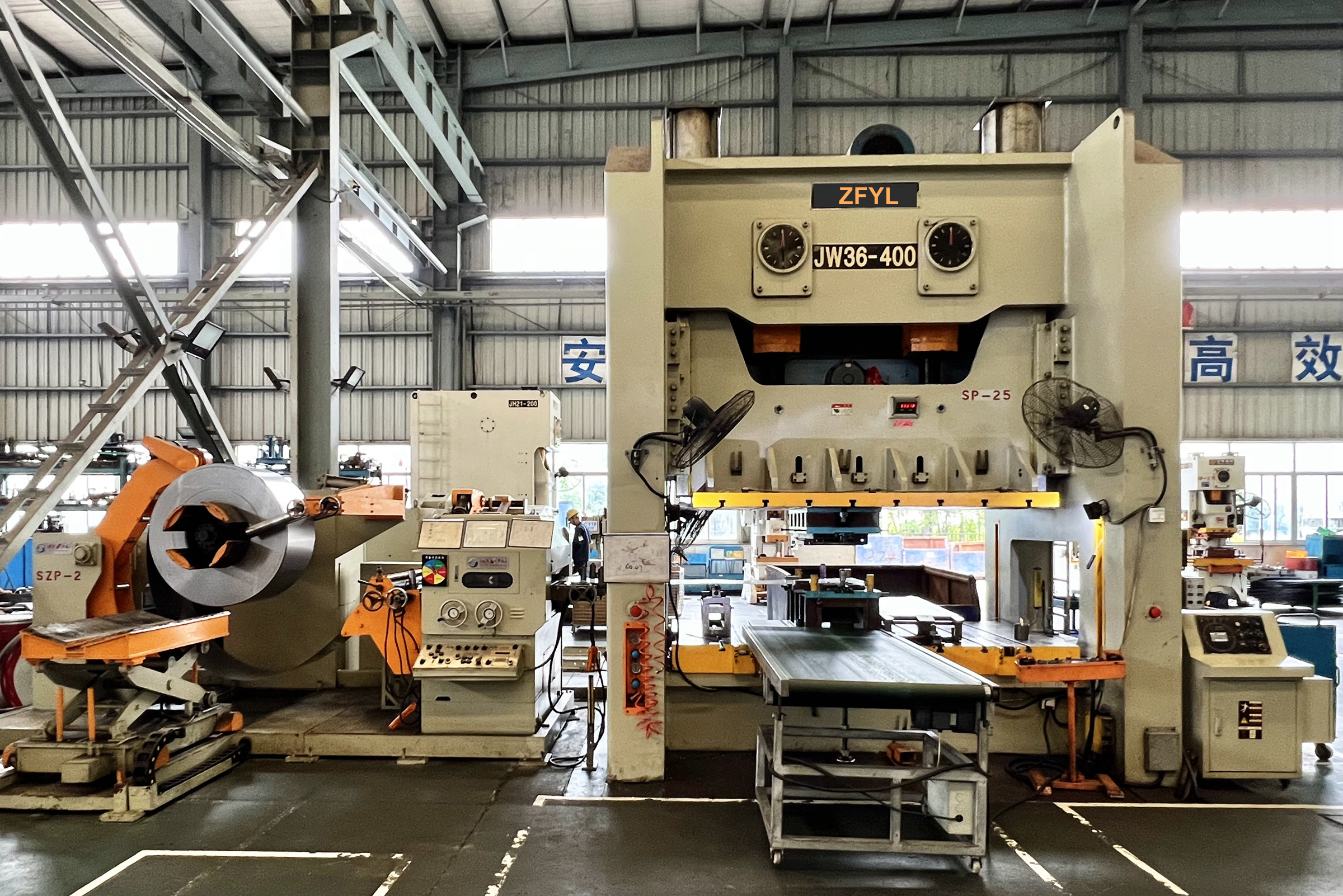
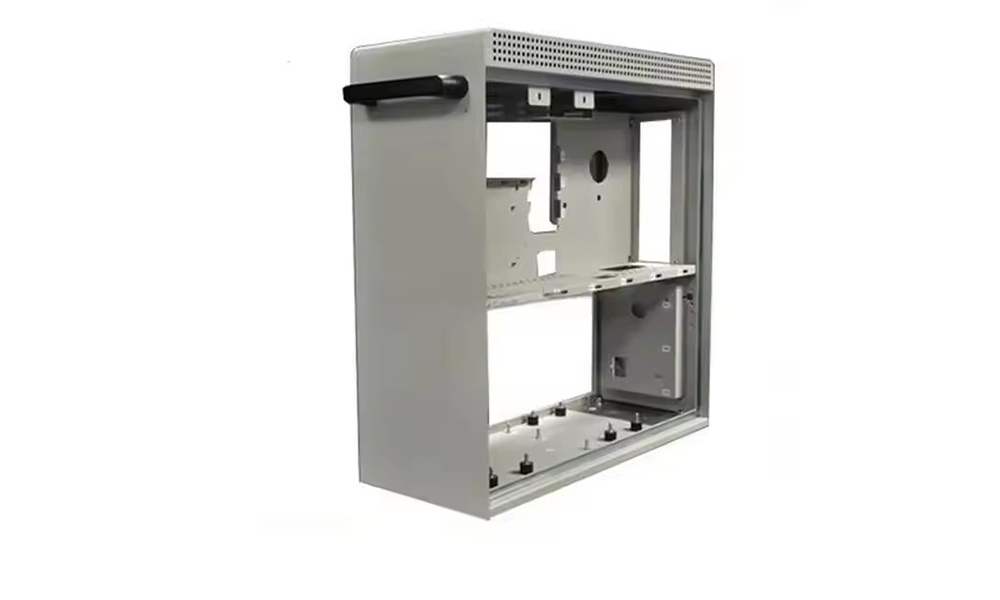
This processing method involves pressing a tool or mold with great force onto the sheet metal workpiece to cut it, or shaping the workpiece according to the shape of the mold. Sheet metal processing is also classified as a broad category of stamping processing and is widely used in vehicle body shells and household appliances that use sheet metal.
Forging
This processing method involves applying a considerable force to the hammer head or mold to press or hammer the workpiece, thereby shaping the workpiece according to the shape of the mold. Taking advantage of its feature of enabling workpieces to have high strength, it can be applied to the processing of engine parts and products that need to withstand force, such as wrenches.
Rolling
It is called "rolling" because the workpiece is formed while rotating or rolling. It is also commonly used in external thread processing, etc. The main products are common bolts and other types of screws found in household centers.
3. Casting
This processing method involves using a furnace to melt the metal used as raw material and then pouring the molten metal into a mold with a cavity in the shape of the product, allowing it to solidify in the mold cavity to manufacture the product. This process is often used when mass-producing products with complex shapes. It can be used to manufacture engine parts as well as machine tool bases, motor parts, etc.
4. Others
Powder metallurgy and metal 3D printing are relatively new processing methods, capable of processing complex shapes and geometries that cannot be achieved by traditional techniques.
Powder metallurgy
This processing method involves pressing the metal powder used as raw material into a mold shaped like the product and heating it in a furnace to bond the metal particles together, thereby manufacturing the product. It is often used in the production of gears that save driving force and special bearings that do not require lubrication, etc.
Metal 3D printer
This is a processing method that has attracted much attention in recent years. It forms the final product by piling up the materials required for each part of the product in stages. Although the development history of this process is still relatively short, it has already been used in the manufacturing of jet engine blades and brake parts for luxury cars, among other applications.
Processing that alters the properties of metals
The main processing methods for changing the properties of metals include heat treatment and surface treatment.
1.Heat treatment
One of the main characteristics of metals is that their internal microstructure can be altered and various properties acquired through heat treatment. The most well-known heat treatments are quenching, tempering, etc. Carburizing is a type of quenching, a process that partially enhances the hardness of steel by allowing carbon to penetrate its surface. These processes are widely applied to products made of steel and aluminum, including automotive parts and aircraft parts.
2. Surface treatment
Representative surface treatment processes include coating and chemical film-forming treatment.
Coating
This is a treatment process of covering other metal films on the surface of metals. It can achieve various functions such as rust prevention, aesthetic improvement and surface hardening, and is widely used in household goods, automotive parts and other fields.
Chemical film formation treatment
Unlike coating, this process uses chemical means to change the properties of the metal surface, thereby endowing it with certain properties. It is often used in harsh operating environments for parts of automobiles or construction machinery that require rust prevention.
Summary
There are various methods of metal processing. The main methods include machining, plastic processing, casting and others that change the shape of metals. Heat treatment or surface treatment and other processes that change the properties of metals can also be selected based on their uses and purposes.
