

Custom Metal Parts: Precision Manufacturing for Modern Industries
In today’s highly competitive manufacturing environment, businesses increasingly require components that meet exact specifications. Off-the-shelf parts are often insufficient for specialized machinery, unique product designs, or innovative engineering solutions. This is where fully customized metal parts play a crucial role. By combining advanced manufacturing technologies with precise engineering, custom metal components help companies achieve better performance, efficiency, and reliability in their products.
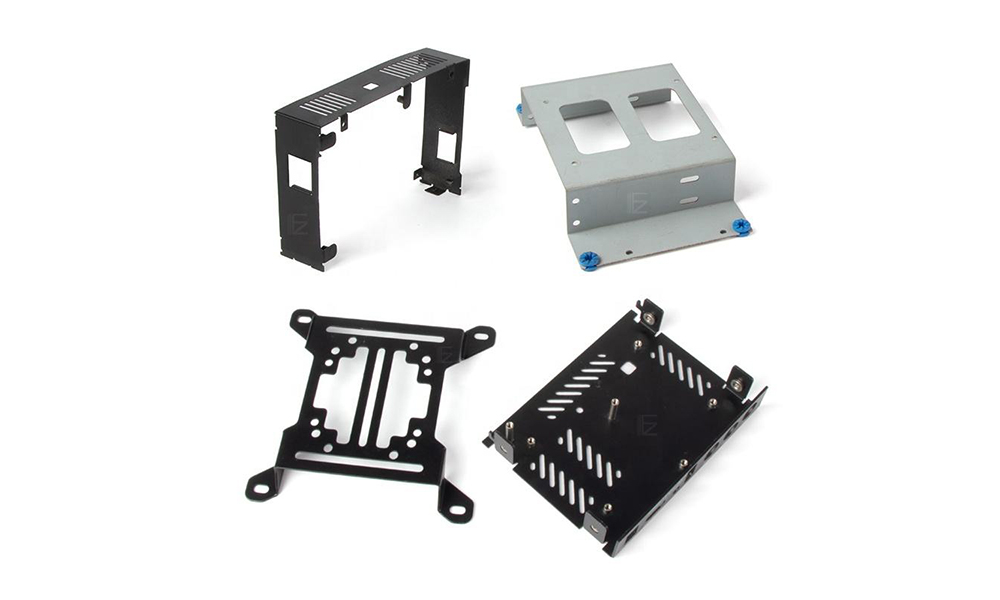
What Are Fully Customized Metal Parts?
Fully customized metal parts are components designed and manufactured according to a client’s specific requirements rather than standard dimensions or designs. These parts can vary widely in shape, size, material, and finishing. They are commonly produced using materials such as stainless steel, aluminum, brass, copper, titanium, and various alloy steels.
Customization typically includes several aspects: detailed design based on engineering drawings or 3D models, precise material selection, specialized machining processes, and tailored surface treatments. The goal is to create a component that perfectly fits its intended function within a larger system.
Key Manufacturing Processes
Producing custom metal parts involves multiple advanced manufacturing techniques. The most common process is CNC machining, which allows manufacturers to create highly precise parts through automated milling, turning, drilling, and grinding operations. CNC technology ensures consistent accuracy even for complex geometries.
Another important process is metal fabrication, including cutting, bending, and welding. These methods are often used for larger or structural components. For high-volume production, processes such as die casting, metal stamping, and powder metallurgy may be used to produce consistent parts efficiently.
In recent years, metal additive manufacturing, also known as metal 3D printing, has emerged as a valuable option for producing intricate shapes that would be difficult or impossible with traditional methods. This technology is particularly useful for prototyping and specialized applications.
Advantages of Custom Metal Parts
One of the most significant benefits of customized metal components is precision. Since each part is designed specifically for its application, it can meet strict dimensional tolerances and performance requirements.
Another advantage is design flexibility. Engineers can create innovative solutions without being limited by standard parts. This flexibility often leads to improved product performance, reduced assembly complexity, and optimized weight or strength.
Customized metal parts also offer material optimization. Manufacturers can select the most suitable material based on factors such as corrosion resistance, strength, temperature tolerance, and cost. Surface treatments—such as anodizing, plating, polishing, or powder coating—can further enhance durability and appearance.
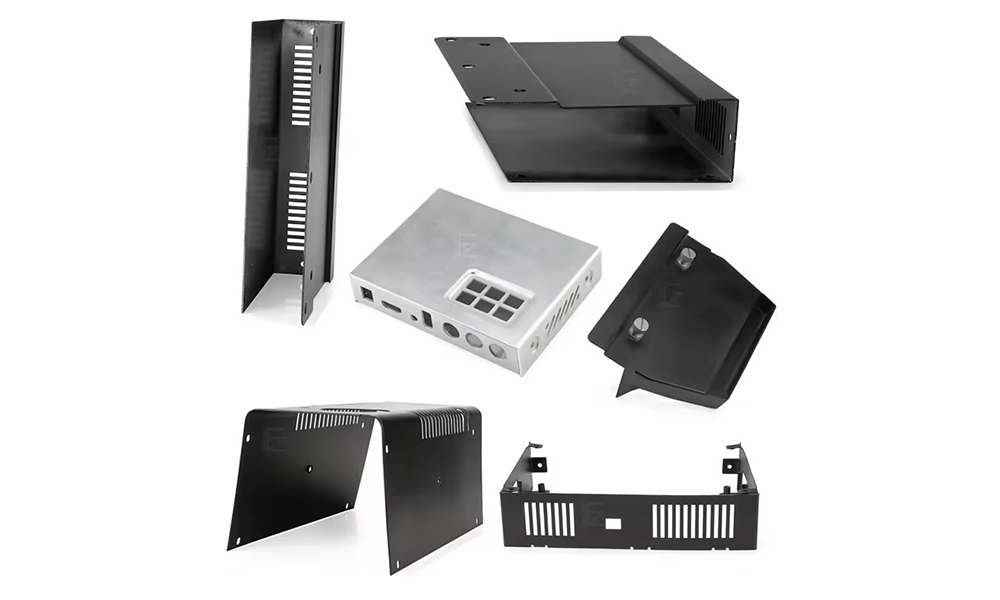
Applications Across Industries
Fully customized metal parts are widely used in many industries. In the automotive sector, they are essential for engine components, transmission systems, and performance upgrades. The aerospace industry relies heavily on high-precision metal parts that meet strict safety and quality standards.
In medical equipment manufacturing, customized metal components are used for surgical instruments, implants, and diagnostic devices where precision and reliability are critical. The electronics industry also uses custom metal housings, heat sinks, and connectors to improve device performance and durability.
Additionally, industries such as robotics, renewable energy, construction equipment, and industrial automation depend on specialized metal components tailored to their operational requirements.
The Importance of Engineering Collaboration
Successful custom metal part production often requires close collaboration between the client and the manufacturer. Engineers work together to refine designs, optimize manufacturability, and ensure cost-effective production. Early communication helps identify potential challenges, reduce production errors, and shorten development cycles.
Many manufacturers also provide design for manufacturability (DFM) services. By analyzing the design before production begins, they can suggest improvements that reduce material waste, simplify machining operations, and improve overall efficiency.
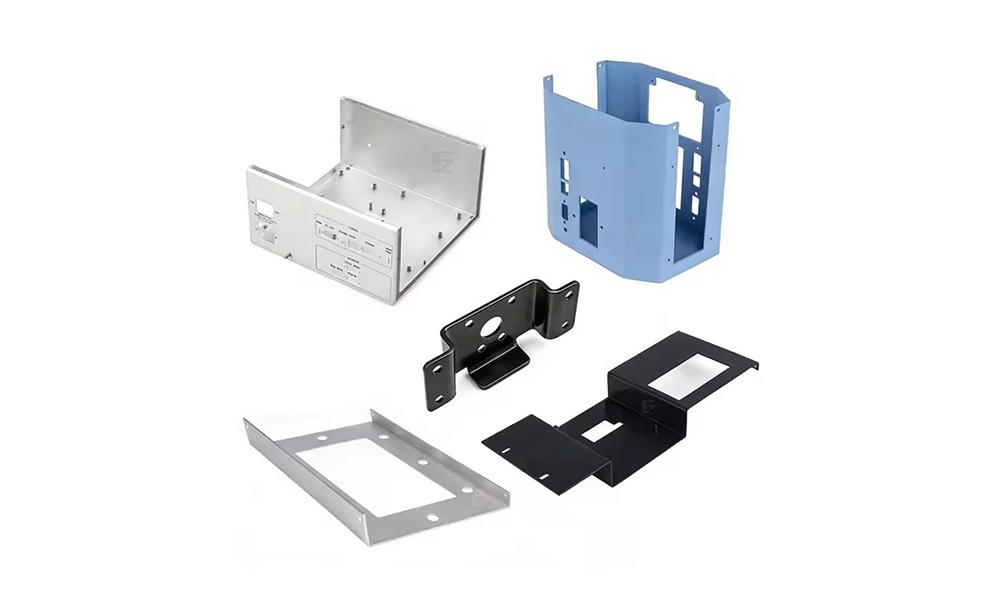
Quality Control and Precision Standards
Quality assurance is a critical aspect of custom metal manufacturing. Advanced inspection equipment such as coordinate measuring machines (CMM), laser scanners, and optical measurement systems are used to verify that each part meets strict dimensional tolerances.
Manufacturers often follow international quality standards, including ISO certification systems, to ensure consistent production quality. Material traceability, process documentation, and rigorous testing procedures further guarantee reliability and performance.
Future Trends in Custom Metal Manufacturing
The future of custom metal parts is closely linked with digital manufacturing technologies. Smart factories, automated inspection systems, and integrated design-to-production workflows are making customization faster and more efficient than ever before.
Artificial intelligence and simulation tools are also helping engineers optimize designs before manufacturing begins. Combined with advanced materials and additive manufacturing techniques, these innovations are opening new possibilities for complex, high-performance metal components.
Conclusion
Fully customized metal parts are an essential foundation for modern manufacturing and product development. By offering precision, flexibility, and optimized performance, they enable companies to build innovative products that meet the demanding requirements of today’s industries.
As technology continues to evolve, the ability to design and produce high-quality custom metal components will become even more important. Companies that leverage advanced manufacturing processes and strong engineering collaboration will be well positioned to deliver reliable, efficient, and cutting-edge solutions for the global market.
