

From Prototype to Mass Production: The Manufacturing Journey of a Metal Part
Every metal component used in machinery, automobiles, aerospace systems, medical devices, or industrial equipment begins as an idea. Turning that idea into a reliable, high-quality product that can be manufactured at scale requires a carefully managed process. From initial design and prototyping to full-scale production and quality control, each stage plays a critical role in ensuring the final part meets performance, cost, and delivery requirements.
Stage 1: Concept and Design
The journey begins with a product concept or engineering requirement. Designers and engineers create detailed 3D CAD models that define the geometry, dimensions, tolerances, and functional characteristics of the metal part. During this phase, factors such as material selection, manufacturability, strength, weight, and cost are evaluated.
Design for Manufacturing (DFM) principles are often applied to optimize the design before production begins. By identifying potential manufacturing challenges early, companies can reduce lead times, minimize waste, and improve overall efficiency.
Stage 2: Prototyping and Validation
Once the design is finalized, the next step is prototyping. A prototype allows engineers to verify the functionality, fit, and performance of the component before investing in large-scale production.
Depending on the application, prototypes may be produced using CNC machining, sheet metal fabrication, metal 3D printing, or casting processes. Rapid prototyping enables quick design iterations and helps identify any issues that may not be apparent in the digital model.
Testing is a crucial part of this stage. Engineers evaluate the prototype for dimensional accuracy, mechanical performance, durability, and compatibility with other components. Feedback from testing often leads to design refinements that improve the final product.
Stage 3: Process Planning and Tooling
After the prototype has been approved, manufacturing engineers develop a production strategy. This includes selecting the most suitable manufacturing process, determining machine requirements, and designing any necessary tooling, fixtures, or molds.
Process planning focuses on achieving the required quality while maintaining cost-effectiveness. Factors such as production volume, cycle time, material utilization, and automation opportunities are carefully analyzed.
For high-volume production, custom tooling and dedicated fixtures may be developed to improve consistency and productivity. Although this stage requires upfront investment, it significantly reduces production costs over time.
Stage 4: Material Procurement
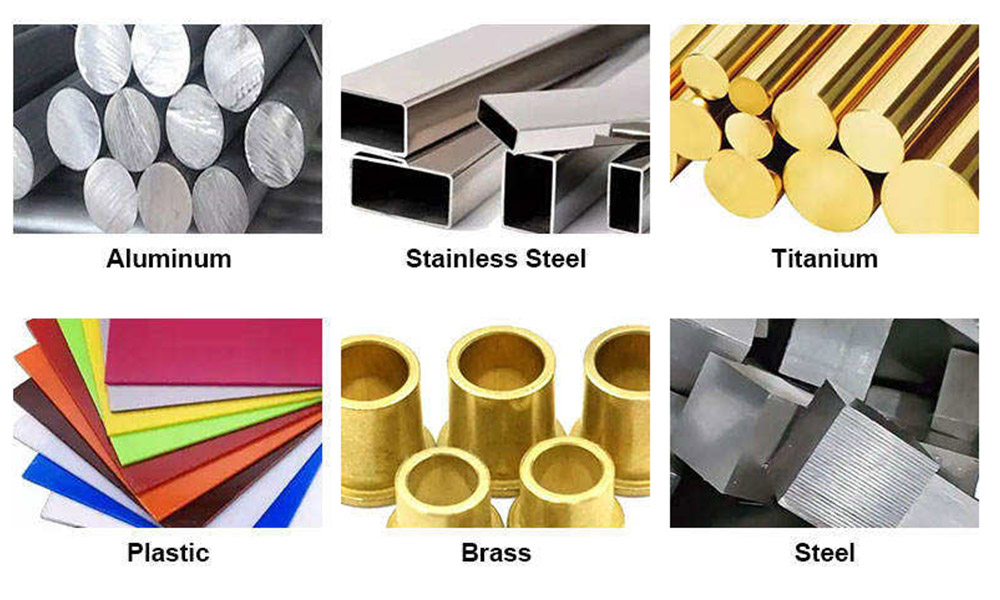
High-quality production begins with high-quality raw materials. Manufacturers source metals such as aluminum, stainless steel, carbon steel, brass, copper, or titanium based on the specific requirements of the application.
Material certifications and traceability are often required, particularly in industries such as aerospace, medical, and automotive manufacturing. Ensuring consistent material quality helps prevent defects and guarantees product reliability.
Stage 5: Production Manufacturing
With materials, tooling, and production plans in place, full-scale manufacturing can begin.
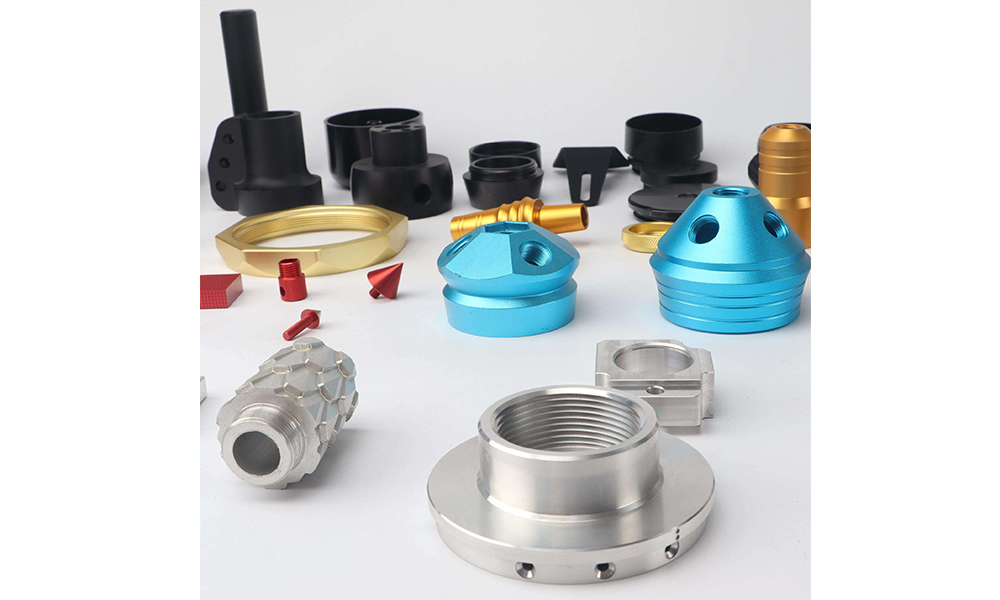
Depending on the design and application, production methods may include CNC machining, stamping, laser cutting, metal forming, die casting, forging, or welding. Modern manufacturing facilities frequently utilize advanced automation and precision equipment to achieve high productivity and repeatable quality.
Throughout production, operators and engineers monitor key process parameters to ensure every part meets the required specifications. Continuous process optimization helps reduce waste, improve efficiency, and maintain consistent output.
Stage 6: Surface Finishing and Post-Processing
Many metal components require additional finishing processes to enhance appearance, corrosion resistance, wear resistance, or functional performance.
Common post-processing methods include anodizing, powder coating, plating, polishing, sandblasting, heat treatment, and passivation. The appropriate finishing process depends on the operating environment and performance requirements of the final product.
These treatments not only improve durability but also contribute to the overall value and longevity of the component.
Stage 7: Quality Control and Inspection
Quality assurance is integrated throughout the entire manufacturing journey. Inspection procedures may include dimensional measurement, visual inspection, hardness testing, material verification, and functional testing.
Advanced quality control equipment such as Coordinate Measuring Machines (CMMs), optical measurement systems, and non-destructive testing technologies help ensure compliance with customer specifications and industry standards.
By implementing rigorous quality control processes, manufacturers can maintain consistency, reduce defects, and deliver reliable products to customers worldwide.
Stage 8: Packaging and Delivery
Once the parts pass final inspection, they are carefully packaged to prevent damage during transportation and storage. Packaging methods vary depending on the size, material, and sensitivity of the components.
Efficient logistics and supply chain management ensure products are delivered on time and in excellent condition. For many manufacturers, reliable delivery performance is just as important as product quality.
Conclusion
The transition from prototype to mass production is a complex yet rewarding journey. Success depends on effective collaboration between design, engineering, manufacturing, and quality teams at every stage of the process.
By combining advanced manufacturing technologies, strict quality standards, and continuous process improvement, manufacturers can transform innovative concepts into high-performance metal components that meet the demands of modern industries. Whether producing hundreds or millions of parts, a well-managed manufacturing journey is the foundation of product quality, customer satisfaction, and long-term business success.
