

The Future of the Global Metal Fabrication Industry
The global metal fabrication industry has long served as the backbone of modern manufacturing. From construction and transportation to energy, aerospace, and consumer products, fabricated metal components play a critical role in nearly every sector of the global economy. As industries continue to evolve, metal fabrication is undergoing a significant transformation driven by technological innovation, sustainability initiatives, and changing customer expectations.
The future of the metal fabrication industry will be defined by greater automation, smarter manufacturing systems, increased customization, and a stronger focus on environmental responsibility. Companies that embrace these changes will be well-positioned to remain competitive in an increasingly dynamic global marketplace.
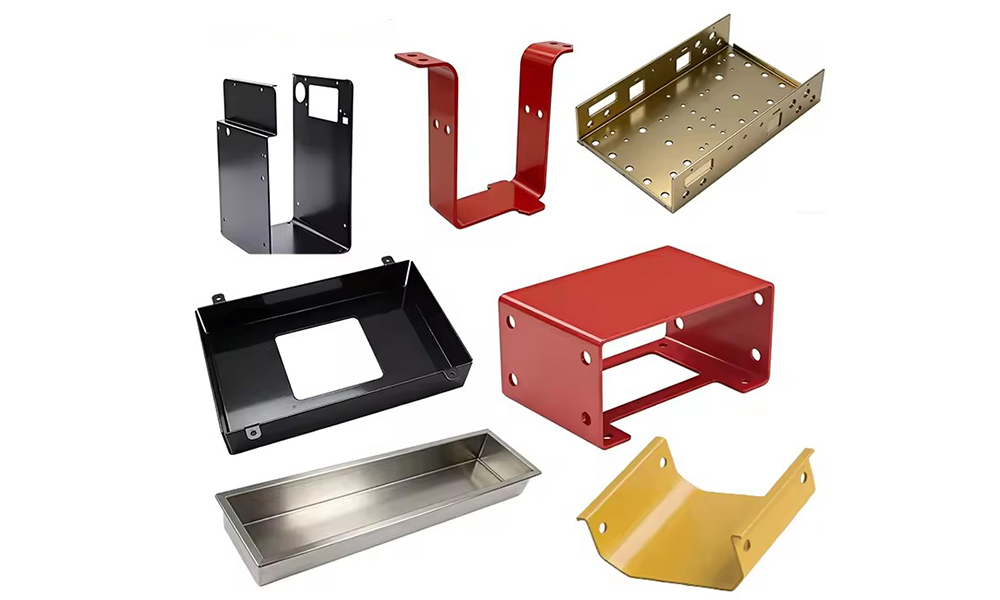
Digital Transformation and Smart Manufacturing
One of the most significant trends shaping the future of metal fabrication is the adoption of digital technologies. Manufacturers are increasingly integrating smart manufacturing systems that connect machines, production data, and quality control processes into a unified digital environment.
The Industrial Internet of Things (IIoT), cloud-based monitoring platforms, and real-time analytics allow fabricators to track machine performance, monitor production efficiency, and identify potential issues before they become costly problems. This data-driven approach improves decision-making, reduces downtime, and enhances overall productivity.
Digital twins and advanced simulation software are also becoming valuable tools for optimizing production processes. By testing manufacturing scenarios in a virtual environment, companies can reduce development costs and improve production efficiency before physical fabrication begins.
Automation and Robotics Continue to Expand
Automation has already transformed many manufacturing sectors, and metal fabrication is no exception. Robotic welding systems, automated laser cutting machines, CNC machining centers, and material-handling robots are becoming increasingly common in fabrication facilities worldwide.
As labor shortages continue to challenge manufacturers in many regions, automation provides a practical solution for maintaining productivity while controlling operational costs. Automated systems can operate with greater consistency, higher precision, and fewer errors than manual processes.
Rather than replacing skilled workers entirely, automation is shifting workforce demands toward technical expertise, programming, equipment maintenance, and process optimization. The factories of the future will combine human knowledge with advanced automation to achieve higher levels of performance.
Greater Demand for Customization
Today's customers increasingly expect products tailored to their specific requirements. This trend is influencing the metal fabrication industry by driving demand for flexible manufacturing systems capable of producing smaller batch sizes without sacrificing efficiency.
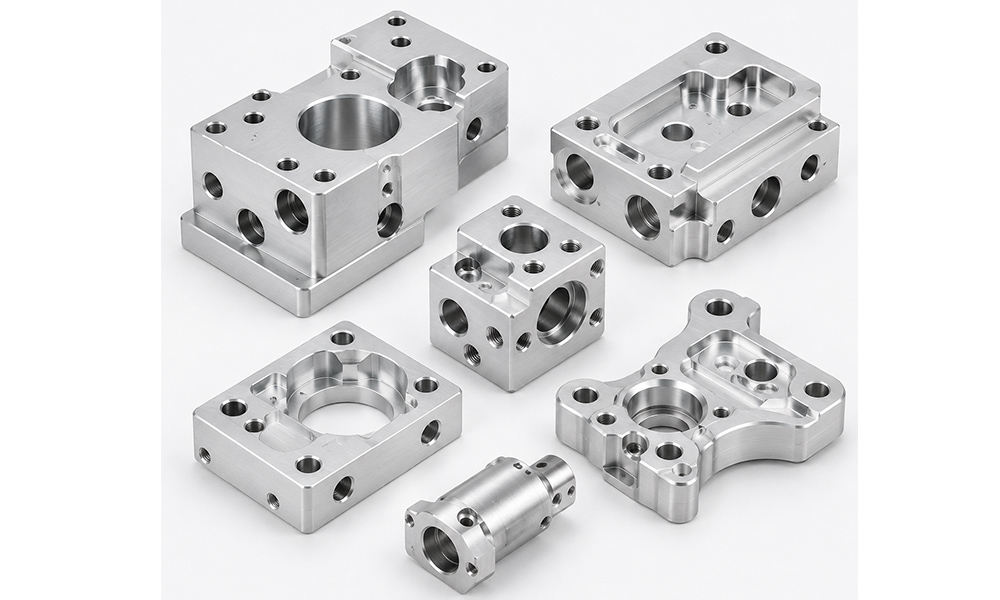
Advanced CNC machining, laser cutting, and digital manufacturing technologies make it possible to quickly switch between product designs and production runs. As a result, manufacturers can offer customized solutions while maintaining competitive lead times and costs.
This ability to provide both mass production and customized fabrication services will become a key competitive advantage for many companies in the years ahead.
Sustainability Becomes a Business Priority
Environmental sustainability is no longer simply a regulatory requirement—it has become a major business objective. Customers, investors, and governments are placing increasing pressure on manufacturers to reduce their environmental impact.
Metal fabrication companies are responding by adopting more energy-efficient equipment, improving material utilization, and implementing recycling programs. Many manufacturers are investing in renewable energy sources and reducing emissions throughout their operations.
Because metals such as steel and aluminum are highly recyclable, the industry is well-positioned to support the transition toward a circular economy. Future fabrication facilities will likely place even greater emphasis on waste reduction, resource efficiency, and sustainable production practices.
Advanced Materials Create New Opportunities
The growing demand for lightweight, high-strength, and corrosion-resistant materials is creating new opportunities within the metal fabrication industry. Industries such as aerospace, electric vehicles, renewable energy, and medical technology require advanced materials that deliver superior performance under demanding conditions.
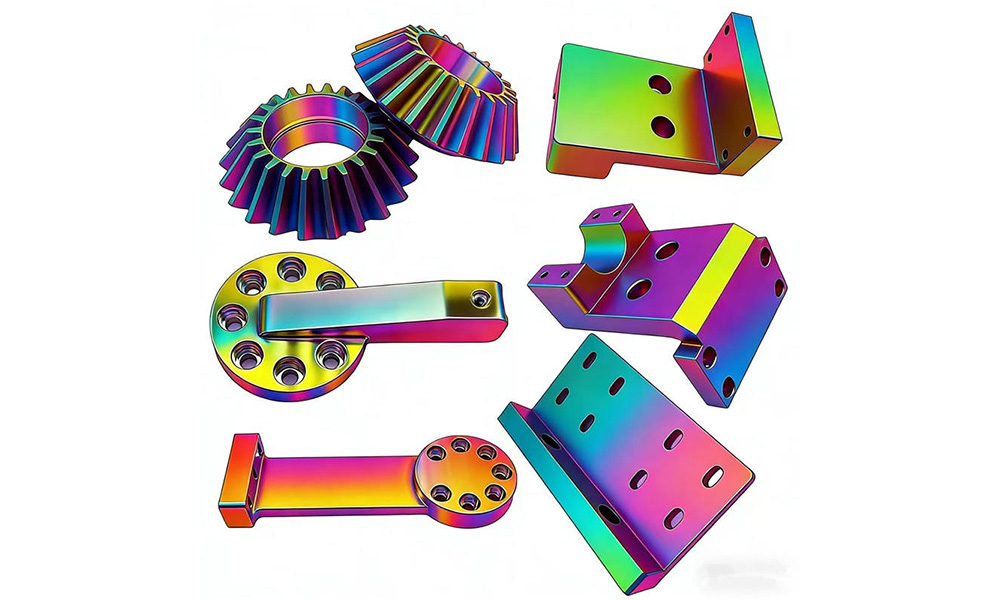
Fabricators are increasingly working with aluminum alloys, stainless steels, titanium, and other specialized metals to meet evolving customer requirements. The ability to process and fabricate these advanced materials efficiently will become an important differentiator in the global market.
As material science continues to advance, fabrication companies must invest in new equipment, training, and expertise to remain competitive.
Artificial Intelligence and Predictive Maintenance
Artificial intelligence (AI) is expected to play a growing role in metal fabrication operations. AI-powered systems can analyze large volumes of production data to identify trends, predict equipment failures, and optimize manufacturing processes.
Predictive maintenance, in particular, offers significant benefits. Instead of relying on fixed maintenance schedules, manufacturers can use AI to monitor machine conditions in real time and perform maintenance only when necessary. This reduces downtime, extends equipment life, and lowers operating costs.
As AI technologies become more accessible, they will help fabrication companies achieve higher levels of efficiency and quality control.
Global Supply Chains and Regional Manufacturing
Recent global events have highlighted the importance of supply chain resilience. Many manufacturers are reevaluating sourcing strategies and exploring regional production capabilities to reduce dependence on distant suppliers.
As a result, the metal fabrication industry may see increased investment in local and regional manufacturing facilities. Nearshoring and reshoring strategies can improve supply chain reliability, shorten lead times, and provide greater flexibility in responding to market demands.
At the same time, global collaboration will remain important as manufacturers continue to serve international customers and participate in worldwide supply networks.
Conclusion
The future of the global metal fabrication industry is filled with opportunity. Technological innovation, automation, sustainability initiatives, and evolving customer demands are reshaping the way fabricated metal products are designed and produced.
Companies that embrace digital transformation, invest in advanced manufacturing technologies, develop skilled workforces, and prioritize sustainable practices will be best positioned for long-term success. While challenges such as labor shortages, supply chain disruptions, and rising costs will continue to exist, the industry's ability to adapt and innovate will remain its greatest strength.
As manufacturing enters a new era, metal fabrication will continue to serve as a critical foundation for global industrial growth, enabling the production of the infrastructure, equipment, and technologies that power the modern world.
