

How to Reduce Manufacturing Costs Without Sacrificing Quality
In today's highly competitive manufacturing environment, controlling production costs is essential for maintaining profitability and staying ahead of the competition. However, reducing costs should never come at the expense of product quality. Poor-quality products can lead to customer complaints, increased warranty claims, production delays, and damage to a company's reputation.
The good news is that manufacturers can achieve significant cost savings while maintaining — or even improving — quality. By focusing on efficiency, process optimization, and smart decision-making, businesses can create a more sustainable and profitable manufacturing operation.
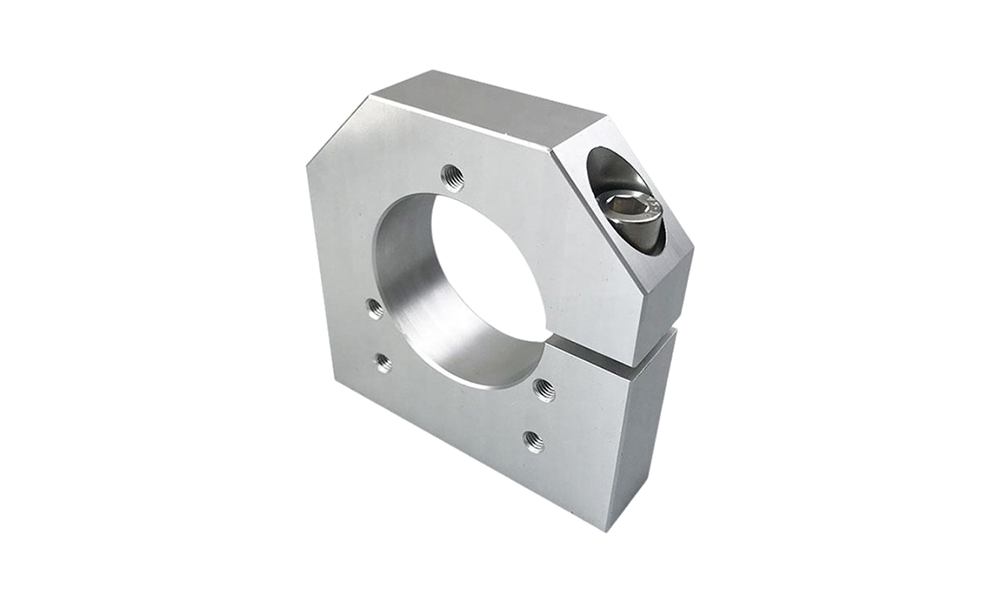
1. Optimize Product Design for Manufacturability
One of the most effective ways to reduce manufacturing costs begins long before production starts. Design for Manufacturing (DFM) focuses on creating products that are easier and more cost-effective to produce.
Complex geometries, extremely tight tolerances, and unnecessary features often increase machining time, material waste, and inspection requirements. By simplifying designs and selecting practical tolerances, manufacturers can significantly lower production expenses without affecting product performance.
Early collaboration between designers and manufacturing engineers helps identify opportunities to streamline production while maintaining the intended functionality of the part.
2. Choose the Right Materials
Material costs often represent a substantial portion of total manufacturing expenses. While premium materials may offer superior performance, they are not always necessary for every application.
Manufacturers should carefully evaluate material properties, operating conditions, and customer requirements to determine the most cost-effective option. In some cases, switching to an alternative grade of steel, aluminum, or other metal can reduce costs while still meeting performance expectations.
Proper material selection also improves machinability and reduces tool wear, resulting in additional savings throughout the production process.
3. Improve Production Efficiency
Efficient production processes help reduce labor costs, machine downtime, and waste. Lean manufacturing principles focus on eliminating non-value-added activities and improving workflow throughout the facility.
Simple improvements such as better workstation organization, standardized procedures, and optimized machine scheduling can have a significant impact on productivity. Manufacturers that continuously monitor and improve their processes often achieve higher output with fewer resources.
Automation can also play an important role in improving efficiency, particularly for repetitive tasks and high-volume production runs.
4. Minimize Material Waste
Material waste directly increases production costs. Reducing scrap and improving material utilization can generate immediate financial benefits.
Advanced nesting software, optimized cutting paths, and precise machining strategies help maximize the use of raw materials. In addition, recycling metal chips and scrap materials can recover value that would otherwise be lost.
Regular process monitoring and employee training can further reduce waste caused by errors, rework, and equipment issues.
5. Invest in Quality Control Early
Many companies mistakenly view quality control as an expense rather than a cost-saving investment. In reality, identifying problems early in the manufacturing process is far less expensive than correcting defects after production or shipment.
Implementing in-process inspections, statistical process control, and preventive quality measures helps detect issues before they become costly failures. Modern inspection technologies, including Coordinate Measuring Machines (CMMs) and automated measurement systems, can improve accuracy while reducing manual inspection time.
A strong quality management system reduces rework, scrap, returns, and customer complaints, ultimately lowering overall production costs.
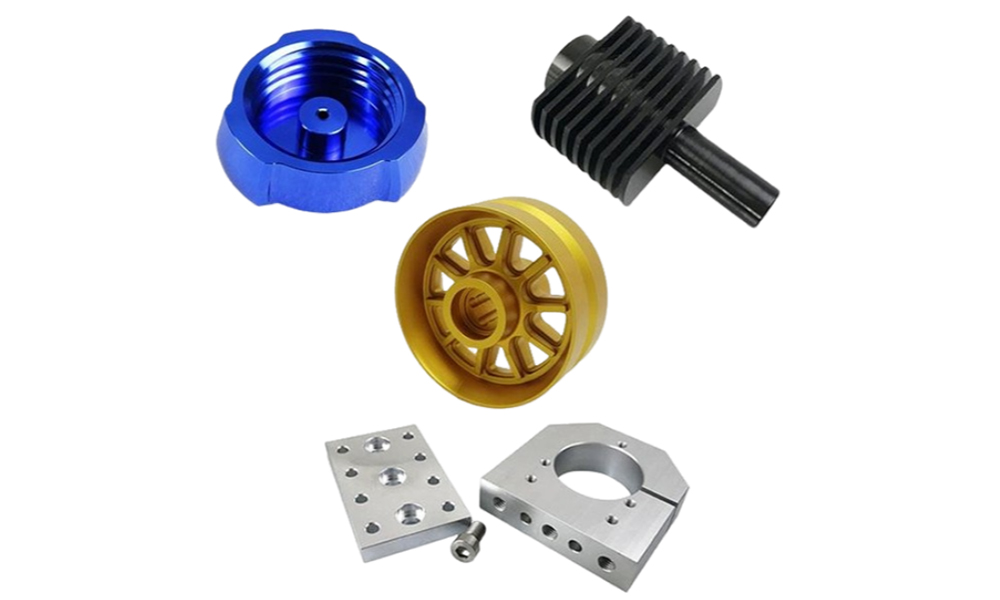
6. Leverage Advanced Manufacturing Technologies
Modern manufacturing technologies can significantly improve productivity and consistency. CNC machining centers, robotic automation, digital monitoring systems, and smart factory solutions help manufacturers optimize operations and reduce labor-intensive processes.
Although these technologies require initial investment, they often provide long-term cost savings through improved efficiency, reduced errors, and higher production capacity.
Data-driven manufacturing also enables better decision-making by providing real-time insights into machine performance, production output, and quality metrics.
7. Strengthen Supplier Relationships
Reliable suppliers contribute directly to cost control and quality assurance. Working closely with trusted suppliers helps ensure consistent material quality, stable pricing, and dependable delivery schedules.
Long-term partnerships often create opportunities for volume discounts, improved communication, and collaborative problem-solving. Manufacturers should regularly evaluate supplier performance and maintain strong relationships with strategic partners.
A stable supply chain reduces the risk of production interruptions and unexpected costs.
8. Focus on Continuous Improvement
Cost reduction is not a one-time project but an ongoing process. Successful manufacturers regularly analyze production data, identify inefficiencies, and implement improvements.
Continuous improvement methodologies such as Lean Manufacturing, Kaizen, and Six Sigma encourage organizations to make incremental changes that deliver long-term results. Small improvements made consistently over time can generate substantial savings while maintaining high-quality standards.
Creating a culture of continuous improvement also empowers employees to contribute ideas that enhance productivity and operational performance.
Conclusion
Reducing manufacturing costs does not require compromising product quality. In fact, the most successful manufacturers achieve cost savings by improving quality, efficiency, and process control simultaneously.
By optimizing product designs, selecting appropriate materials, minimizing waste, investing in quality assurance, adopting advanced technologies, and fostering continuous improvement, manufacturers can build a more competitive and profitable operation.
In today's market, the goal is not simply to produce at the lowest cost—it is to deliver the highest value. Companies that balance cost efficiency with consistent quality will be best positioned for long-term growth and customer satisfaction.
